
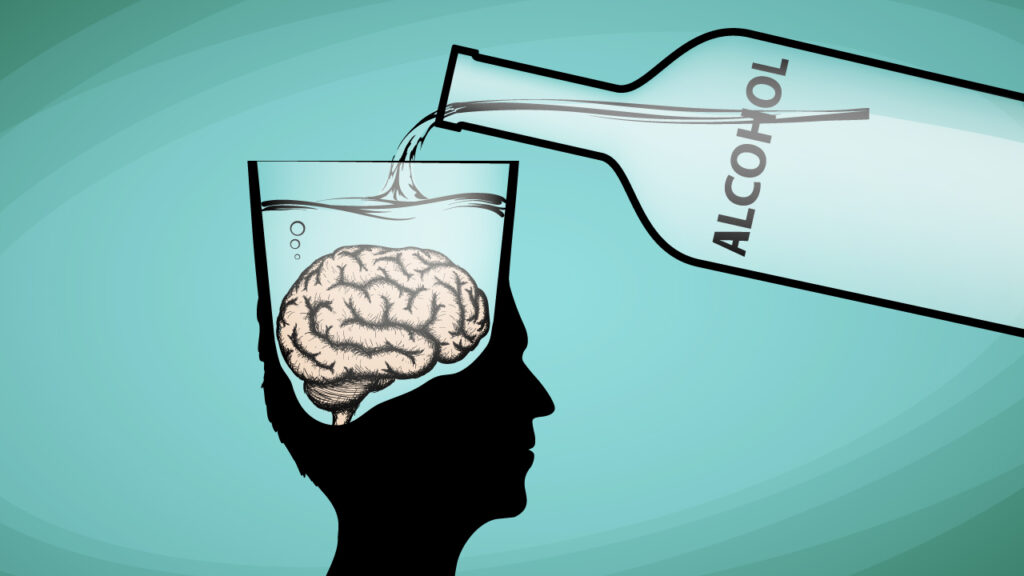
Addiction is a complex and challenging issue that affects millions of people worldwide. Whether it’s alcohol, drugs, or any other addictive substance, the impact on the human brain is profound. At GP Addiction Care, we believe that knowledge is the first step to recovery.
In this blog, we will delve into the science of addiction, exploring how alcohol and drugs can hijack your brain and what you can do to break free from their grip.
- Addiction and the Brain
To understand addiction, you need to know a bit about your brain. Your brain is a complex organ made up of billions of nerve cells called neurons. These neurons communicate with each other through chemicals called neurotransmitters. The key neurotransmitter in addiction is dopamine. Dopamine is responsible for feelings of pleasure and reward. - The Pleasure Principle
When you consume alcohol or drugs, they interact with the brain’s reward system, causing a surge in dopamine levels. This surge is what makes you feel good and creates a pleasurable experience. Your brain remembers this pleasure and wants to experience it again. - Tolerance and Dependence
The problem arises when you continue to use the substance regularly. Your brain adapts to the increased dopamine levels by reducing the number of dopamine receptors or by producing less dopamine. As a result, you’ll need more of the substance to achieve the same pleasurable effect. This is known as tolerance. Over time, you may become dependent on the substance to feel normal and avoid withdrawal symptoms, which can be extremely uncomfortable. - The Vicious Cycle of Addiction
Once tolerance and dependence set in, you’re caught in a vicious cycle. You need more of the substance to feel good, and the more you use, the more your brain adapts. This cycle makes quitting incredibly difficult, as your brain craves the substance to maintain a sense of normalcy. - Neuroplasticity and Addiction
The brain is incredibly adaptable, and it can rewire itself. This ability, known as neuroplasticity, plays a significant role in addiction. When you’re addicted to a substance, your brain forms new pathways and connections that prioritize obtaining and using the substance. This rewiring can make it incredibly challenging to quit. - Cravings and Triggers
Certain cues, like the sight of a liquor bottle or being around friends who use drugs, can trigger intense cravings. These cravings are your brain’s way of reminding you of the pleasure associated with the substance. It’s like a memory your brain can’t forget. - The Role of Genetics
Genetics also play a part in addiction. Some people may be more genetically predisposed to addiction. If addiction runs in your family, you might be at a higher risk. However, genetics alone don’t determine addiction. It’s a combination of genetic, environmental, and behavioural factors. - Getting Help
Understanding the science of addiction is the first step towards recovery. At GP Addiction Care, we provide comprehensive treatment programs to help you or your loved one break free from the grip of addiction. Our team of professionals offers support, therapy, and guidance to address the physical, psychological, and social aspects of addiction. - Breaking the Cycle
Breaking free from addiction is a challenging journey, but it’s not impossible. Here are some steps to help you or someone you know on the path to recovery:
a. Seek Professional Help : It’s essential to consult with medical professionals and addiction specialists who can develop a tailored treatment plan.
b. Build a Support System : Surround yourself with people who understand and support your recovery journey. This could include friends, family, or support groups.
c. Learn Coping Strategies : Find healthy ways to cope with stress and triggers. Therapy and counselling can help you develop these skills.
d. Avoid Triggers : Identify and avoid situations and people that trigger cravings. This might involve changes in your routine and environment.
e. Stay Committed : Recovery is a long-term process. Staying committed and never giving up is key to breaking the cycle of addiction.
Understanding the science of addiction is crucial for overcoming it. Addiction is not a moral failing, but a complex interplay of brain chemistry, genetics, and environment.
At GP Addiction Care, we’re dedicated to helping individuals and their families navigate the path to recovery. If you or a loved one is struggling with addiction, seek professional help and remember that recovery is possible.
Addiction is a challenge that affects the brain in profound ways. By understanding the science behind addiction, you can take the first step toward recovery. GP Addiction Care is here to provide support and guidance in your journey to break free from addiction. Remember that with the right help and commitment, recovery is possible.